Does drinking alcohol cause bruising?
People with high intakes of caffeine and alcohol are more prone to dry skin, but a regular coffee habit has less impact than drinking heavily. When you’re dehydrated less water is available to moisturize your skin, leading to skin that is rough, flaky, itchy and is more prone to sensitivity. If you are concerned about bruising easily after drinking alcohol, you should consider reducing your alcohol intake or quitting alcohol altogether. You should also stay hydrated, eat healthily, and get plenty of rest to help your body recover and reduce bruising. If alcohol rehab you are having difficulty cutting down on alcohol, you should seek medical advice. Some people are born with low levels of important factors that help the blood clot when it Substance abuse needs to control bleeding.

Prevention and Treatment
Sufferers usually find that red wine is most likely to trigger flare-ups and a single drink is often enough to bring on symptoms. Furthermore, drinking heavily can result in a loss of coordination, making individuals clumsier and more prone to falls or injuries that cause bruises. Waking up with bruises after drinking could indicate injuries sustained during periods of memory loss, highlighting the dangers of excessive alcohol consumption. Cushing’s is most often caused by long-term use of corticosteroid medications, but it can also be caused by a tumor. Frequent do you bruise easier when drunk bruises can be a sign of physical abuse, whether in a child or an older person. Either the abuser or the person being abused may say that visible injuries are simply due to easy bruising.
And, not for nothing, it really is true that alcohol can affect your motor skills, and even your memory.
Underlying medical https://www.swagatresort.com/how-to-ignore-hunger-13-simple-strategies/ conditions, including certain bleeding disorders or liver diseases, can cause easy or unexplained bruising. While the exact mechanism may vary, there is a clear link between alcohol consumption and easy bruising. It is important to note that while the bruises themselves are not dangerous, they can indicate underlying health issues related to alcohol consumption. If a person notices frequent or unexplained bruising, it may be a sign of alcohol misuse or alcohol use disorder. Seeking medical advice is crucial to address both the bruising and any potential alcohol-related health concerns. If you’re concerned about alcohol-induced bruising, there are steps you can take to reduce your risk.
Common physical signs of alcoholism
At this level, an individual may have trouble walking and experience a decline in reaction time. This bruising from alcohol is because alcohol slows down central nervous system activity, increasing the time it takes to register stimuli and decide on a course of action. This can lead to an increased risk of injury, whether from external objects or accidental collisions with others. Unexplained bruises and scrapes may be observed more frequently, and alcoholics can have reduced platelet counts and other clotting factors, making them more likely to bruise. This is especially true when you consider the increased likelihood of them falling. Yes, alcohol consumption can thin the blood and make blood vessels more susceptible to rupture, increasing the likelihood of bruising.
Alcohol & Heart Rate: Does Drinking Increase Cardiovascular Risk?
I was not sure about it first but I went ahead and started the treatment from them anyways and so far it’s been a dream. The best approach to prevent alcohol-induced bruising is to minimize or stop consuming alcohol in large volumes. Bruising can be one of the side effects of alcohol dependence, but it’s not the sole cause of it.
Yes, alcohol can cause skin discoloration in the form of bruises or broken blood vessels. Excessive alcohol consumption can weaken the blood vessels in the skin, making them more prone to damage and discoloration. Beyond vessel dilation, alcohol can also interfere with the blood’s clotting ability. It inhibits platelet aggregation, the process where platelets clump to stop bleeding after a vessel injury. When platelets are less effective, blood takes longer to clot, leading to more extensive bruising when a vessel is damaged.
- This article will help you understand why bruises occur after drinking, what are bruises after drinking, give tips on how to prevent them, and let you know when to visit a doctor.
- Additionally, alcohol itself is a vasodilator, meaning it causes blood vessels to relax and expand, increasing blood flow throughout the body.
- One common question that arises is whether alcohol consumption can cause bruising.
Q9: Can alcohol affect blood clotting in the long term?
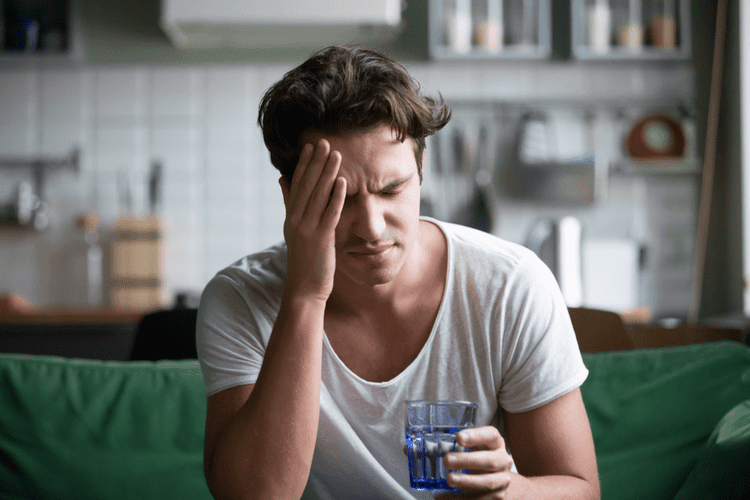
Alcohol directly affects the circulatory system, making the body more prone to bruising. This vasodilation makes capillaries and other small vessels more susceptible to damage and leakage, even from minor bumps. Motor control issues can begin when the blood alcohol level reaches 0.06 and become more severe at 0.1.
For questions regarding bruising, talk to a Marshfield Clinic Health System provider.
In the late stages of alcoholism, the physical and psychological toll becomes increasingly severe. Individuals may display a loss of interest in previously important aspects of their life, isolation from loved ones, and an inability to function without alcohol. Severe liver damage, cirrhosis, and organ failure are potential consequences of prolonged alcohol abuse in this stage, and immediate intervention is crucial. Unexplained bruises and frequent injuries can be physical signs of alcoholism.
How the Naltrexone 50 mg Tablet Can Support Your Mindful Drinking Goals
This loss of coordination can lead to falls or accidents that cause bruises. Therefore, it is essential to be cautious and avoid situations where injuries may occur when consuming alcohol. Chronic alcohol use can weaken blood vessels, making them more prone to breaking and causing bruising. Bruising is a common occurrence, and many factors unrelated to alcohol can contribute to its development. Normal aging often leads to easier bruising as skin thins and capillaries become more fragile.